


OBDII Doctor
Welcome to the OBDII How To section of My Pro Street. Here we review check engine codes and how to diagnose, fix and erase engine light issues. When your check engine light is on, you won't be able to pass smog or your local emissions tests.
Want to learn how to erase your OBDII check engine light? Tired of that annoying engine warning? Need to fix your trouble code? The OBDII DTC Doctor section is perfect for you.
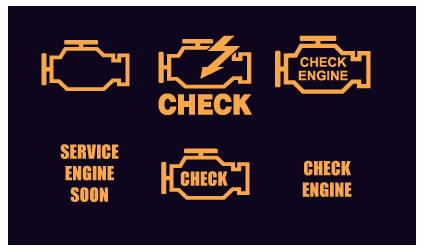 When you have a check engine light on, you won't be able to pass smog. In some extreme cases the vehicle may not even start.
There are many check engine light problems that can affect your gas mileage and your vehicle functions. Good news is, with our OBDII How To guides and tech tips, we can help you diagnose and fix your check engine light problems.
Believe it or not, troubleshooting your check engine light isn't hard to do. With the right OBDII scan tool, you can fix your vehicle without an expensive mechanic and erase your check engine light.
What is the OBDII Check Engine Light exactly?
The blinking yellow light on your dash or vehicle instrument cluster isn't just annoying, it's a sign that there is something wrong. This is known as your OBDII check engine light, and it is your vehicle's way of notifying you that there's a potential issue. The OBDII system is known as the On Board Diagnostic System. It's part of your vehicle computer system that's come standard in vehicles since 1996. This diagnostic system can help you diagnose, troubleshoot and root cause the check engine light on your car or truck.
When you have a check engine light on, you won't be able to pass smog. In some extreme cases the vehicle may not even start.
There are many check engine light problems that can affect your gas mileage and your vehicle functions. Good news is, with our OBDII How To guides and tech tips, we can help you diagnose and fix your check engine light problems.
Believe it or not, troubleshooting your check engine light isn't hard to do. With the right OBDII scan tool, you can fix your vehicle without an expensive mechanic and erase your check engine light.
What is a OBDII scan tool?
Many times these are handheld scan tools that connect to your vehicle, there are also wireless units that can connect to your mobile device. With the right guide or DIY OBDII article, you can use these devices to read the alphanumeric codes in your diagnostic computer. The OBDII scan tool works as a gateway into your car in order to get to that information you need. Need more information on your check engine light? Want to erase a CEL? Our OBDII Doctor can help you with what you need. This section is also geared toward those who want to convert or modify the On-Board Diagnostic components of their vehicles. This can come in handy if you want to complete an engine swap project or just want to upgrade your older vehicle. OBDII Trouble Codes P0143 - O2 Sensor Circuit Low Voltage P0145 – O2 Sensor Circuit Slow Response Trouble Code Guides :- DTC P0068 – How To Test a Chrysler Sebring MAP Sensor
- DTC P0011 Intake Camshaft Position Sensor Over Advance
- DTC P0011 Explained - OBDII Codes
- DTC P0014 Explained - OBDII Codes
- DTC P0016 Explained - OBDII Codes
- DTC P0068 – How To Service a Ford Fiesta MAP Sensor
- DTC P0100 – How To Test a Nissan Sentra MAF Sensor
- DTC P0100 – How To Test a Nissan Altima MAF
- DTC P0100 – How To Test a Nissan Frontier MAF
- DTC P0101 – How To Test a VQ35 MAF
- DTC P0101 – How to Service LS1 MAF
- DTC P0101 Explained - OBDII Codes
- DTC P0107 – How To Test your LS1 MAP Sensor
- DTC P0107 – How To Service Your MAP Sensor
- DTC P0107 – How To Measure a Honda Accord MAP Signal
- DTC P0108 – How To Service Acura Integra MAP Sensor
- DTC P0108 – How To Service Your Honda Civic MAP Sensor
- DTC P0109 – MAP Sensor Circuit High Voltage
- DTC P0113 – How To Test a Chevy Colorado IAT
- DTC P0113 Explained - OBDII Codes
- DTC P0117 Explained - OBDII Codes
- DTC P0118 – How To Replace Engine Coolant Sensor
- DTC P0118 – How To Change a Honda Accord ECT
- DTC P0118 Explained - OBDII Codes
- DTC P0120 – How To Service a 240SX Throttle Position Sensor
- DTC P0121 – How To Test a Chevy S10 TPS
- DTC P0121 – How To Change a WRX Throttle Body
- DTC P0123 – How To Service Your TPS Sensor
- DTC P0131 – How to Service Your Honda 02 Sensor
- DTC P0128 Explained - OBDII Codes
- DTC P0138 – How to Service Your 02 Sensors
- DTC P0155 – How To Test a LQ4 Oxygen Sensor
- DTC P0171 – How To Find Intake Leaks
- DTC P0171 – How To Replace a Honda Accord FPR
- DTC P0171 – How To Service a Cadillac ATS MAF
- DTC P0171 Explained - OBDII Codes
- DTC P0174 Explained - OBDII Codes
- DTC P0174 – How To Replace a Ford Flex MAF
- DTC P0174 – How To Service a Ford Taurus MAF
- DTC P0128 – How To Install a 350Z Thermostat
- DTC P0120 – How To Test a Nissan Sentra TPS
- DTC P0121 – How To Test a Corolla TPS
- DTC P0127 – Replacing the IAT Sensor in a 350Z
- DTC P0135 – How To Service Your 02 Sensors
- DTC P0150 – How To Test a Infiniti QX4 Oxygen Sensor
- DTC P0155 – How To Test a LQ4 Oxygen Sensor
- DTC P0300 Explained - OBDII Codes
- DTC P0301 Explained - OBDII Codes
- DTC P0304 Explained - OBDII Codes
- DTC P0325 – How To Replace a VQ35 Knock Sensor
- DTC P0327 – How To Replace Your Knock Sensor
- DTC P0325 – How To Change a Honda Accord Knock Sensor
- DTC P0335 – How To Change a 2JZGE Crank Position Sensor
- DTC P0335 – How To Change a Honda Accord Crankshaft Position Sensor
- DTC P0335 – How To Test a Ford Focus Crankshaft Position Sensor
- DTC P0335 – How To Service Your Crank Position Sensor
- DTC P0335 – How to Service a VQ35 Crank Position Sensor
- DTC P0336 – How To Test a Escalade Crank Position Sensor
- DTC P0330 – How To Replace a 2JZ Knock Sensor
- DTC P0340 – How To Service a Scion XB Camshaft Position Sensor
- DTC P0345 – How To Service a VQ35 Camshaft Position Sensor
- DTC P0420 – How To Install a Check Engine Light Eliminator
- DTC P0420 Explained - OBDII Codes
- DTC P0430 Explained - OBDII Codes
- DTC P0442 Explained - OBDII Codes
- DTC P0455 Explained - ODBII Codes
- DTC P0455 – How To Service Infiniti Evap System
- DTC P0456 Explained - OBDII Codes
- DTC P0505 – How To Replace Idle Air Control Valve
- DTC P0505 : How To Service your IAC
- DTC P0507 – How To Replace a VQ35 Throttle Body
- DTC P0507 – How To Test Idle Air Control
- DTC P0507 Explained - OBDII Codes
- DTC P0661 – How To Service Your IMRC
- DTC P0700 Explained - OBDII Codes
- DTC P0741 Explained - OBDII Codes
- DTC P0753 – How To Service an Accord TCC Solenoid
- DTC P0705 Explained - OBDII Codes
- DTC P1121 – How to Service your Civic Throttle Position Sensor
- DTC P1122- How To Test a Honda Accord TPS
- DTC P1128 – MAP Signal Lower Than Expected – My Pro Street
- DTC P1129 – How To Service an Accord MAP Sensor
- DTC P1145 – How to Service Your VTC Solenoid Valve
- DTC P1258 – How To Replace your GMC Sierra ECT
- DTC P1349- How To Replace a VVTi Oil Control Filter
- DTC 2195 Explained - OBDII DTC Codes
- DTC 2197 Explained - OBDII DTC Codes
- All B OBDII Codes Explained - Full listing of all SRS and B OBDII Codes
- All C OBDII Codes Explained - Full listing of all Chassis OBDII Codes
- All P OBDII Codes Explained - Full listing of all Powertrain OBDII Codes