

Subaru is reigniting its performance-line heritage with two bold new concept vehicles under its STI (Subaru Tecnica International) banner: a gas-powered hatchback concept and a fully electric performance concept. These moves signal Subaru’s intention to keep the rally-bred STI badge alive while dynamically shifting toward electrified performance.
Subaru STI Concept Performance-B Concept Breakdowns
Performance-B STI (Gas): Built with tradition in mind, this concept uses a turbocharged boxer engine paired with Subaru’s signature Symmetrical All-Wheel Drive. Large wing, wide-fender styling, and aggressive aero point toward a possible near-production model.
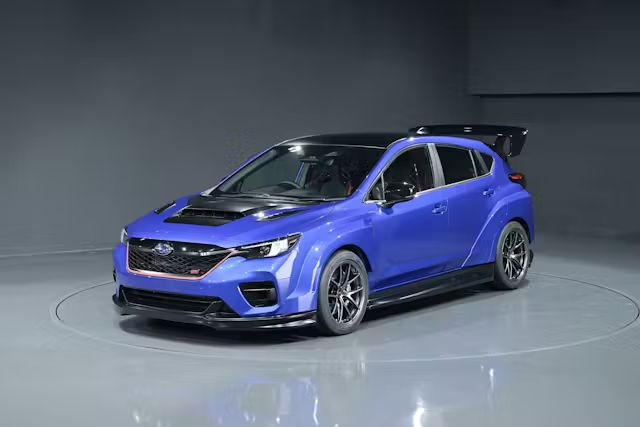
Performance-E STI (Electric): With zero detailed technical specs released, Subaru describes it as the “future of the performance scene”, hinting at an EV performance halo for the brand. Expected: floor-mounted battery pack, dual motors, performance tuning.
Road & Track
Why This Matters for Enthusiasts
While the last full-fledged WRX STI dropped in 2021, these concepts mark a resurgence — offering hope to fans of Subaru’s performance legacy.

It shows Subaru is not abandoning internal combustion performance just yet; the Performance-B concept affirms that tradition continues while the Performance-E paves the way for electrified performance.
These models could set the direction for performance-focused Subaru vehicles through the next decade, especially as emission and electrification standards evolve globally.
Key Takeaways for the Road Ahead
Dual Path Strategy: Subaru intends to deliver both ICE and EV-based performance models rather than committing solely to one powertrain type.
STI Badge Alive: The STI badge will remain integral to Subaru’s performance branding — it isn’t being retired, just redefined.
Track to Street: These concepts suggest the next generation of STI will deliver both raw driving feel and modern performance technology.
Enthusiast-Friendly: For tuners, modders and performance fans, this means Subaru is still in the game, and there’s likely room for aftermarket support—whether for the turbo hatch or future EV performance platform.